Vol. 9 - 7.31.26
The Human Advantage · July 2026 · Volume 9
Build What Travels With You
A NOTE FROM RAFAT
Rafat here—
Some of the most important things I built this month didn’t look connected at first.
I spent time strengthening the digital spaces that hold my work. I recorded a series about building a personal digital ecosystem one piece at a time. And at home, my sons and I turned Becoming Muhammad Ali into a visual storyboard we could experience together.
On the surface, those are three very different projects. Underneath, they’re the same practice: owning the story, choosing the tools, and building something that can travel beyond a single role, platform, or moment.
That is what this month’s issue of The Human Advantage is about.
For much of our careers, the evidence of what we contribute lives inside systems we do not own—company platforms, team files, internal dashboards, and the memories of people who worked beside us. When a role changes, access to that story can disappear faster than the impact itself.
Digital real estate gives that work somewhere to live. Not because everyone needs to become a full-time content creator, and not because you need to build an entire ecosystem overnight. The goal is to create a visible, portable body of work—and begin with the one layer that makes the most sense for where you are now.
This month, we’ll explore why that matters, how to begin, and how a meaningful family project can strengthen the judgment required to lead with AI.
Read: Digital Real Estate: The Career Insurance No One Taught You
Once you understand why digital real estate matters, the next question is always the same: where do I start?
I put together a short Loom playlist walking through the practical building blocks of a personal digital ecosystem — what I call The Platform Ingredients. It covers the most important elements and how to decide your next best steps (spoiler alert, everyone’s path is different).

Watch: The Platform Ingredients
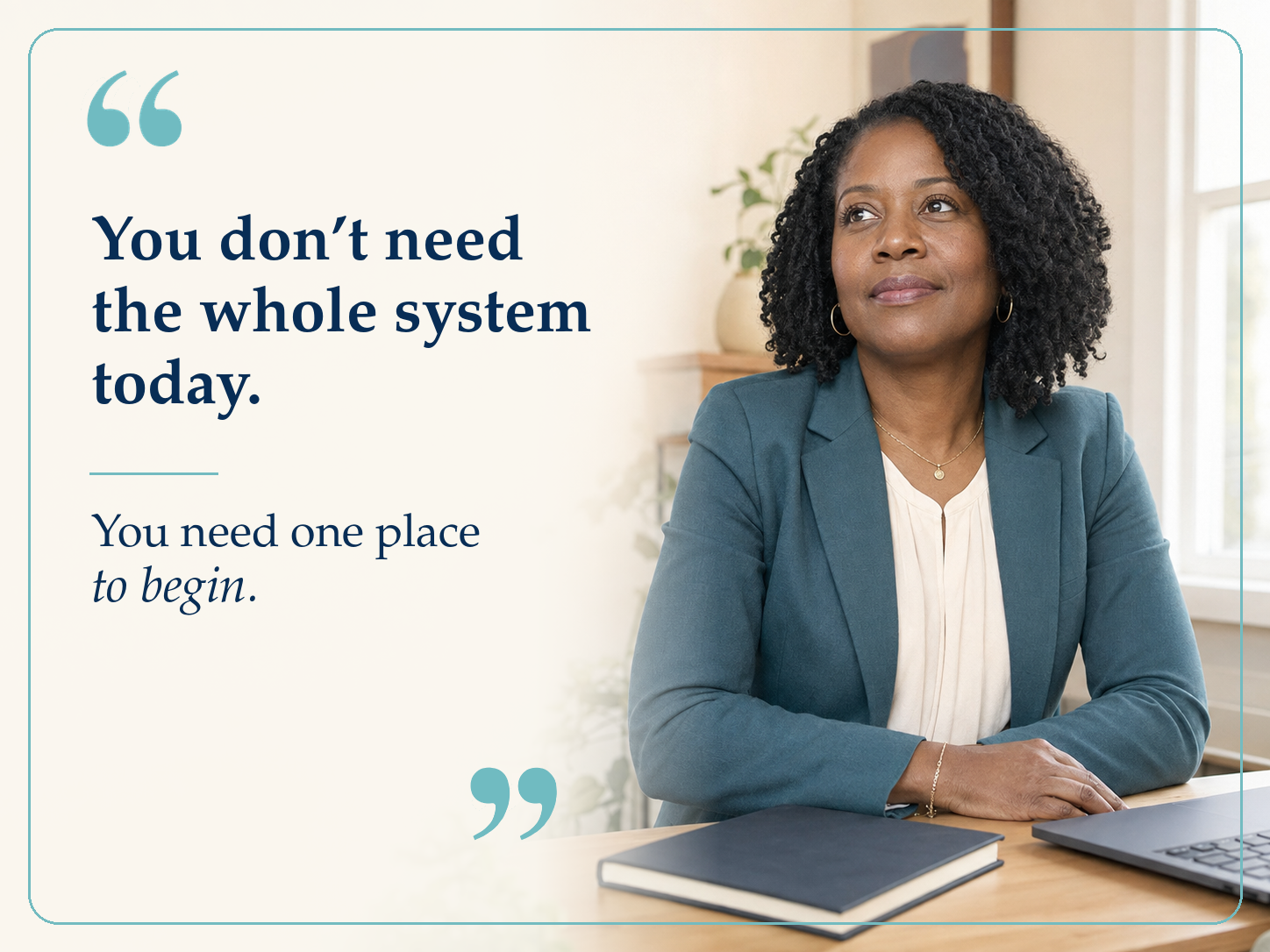
Here's the honest truth about all of it: you don't need the whole system on day one. Investing in even one piece moves you closer to the goal — it gives you a home base for your work, a way for your leadership to be found before someone knows to search for your name, and a running record of impact that's yours no matter what happens to the role you're in right now.
So start with whichever piece will simplify the conversations you’ll be having in meeting rooms — somewhere people can already find you, a way you already stay in touch with people you meet, a space where you already create.
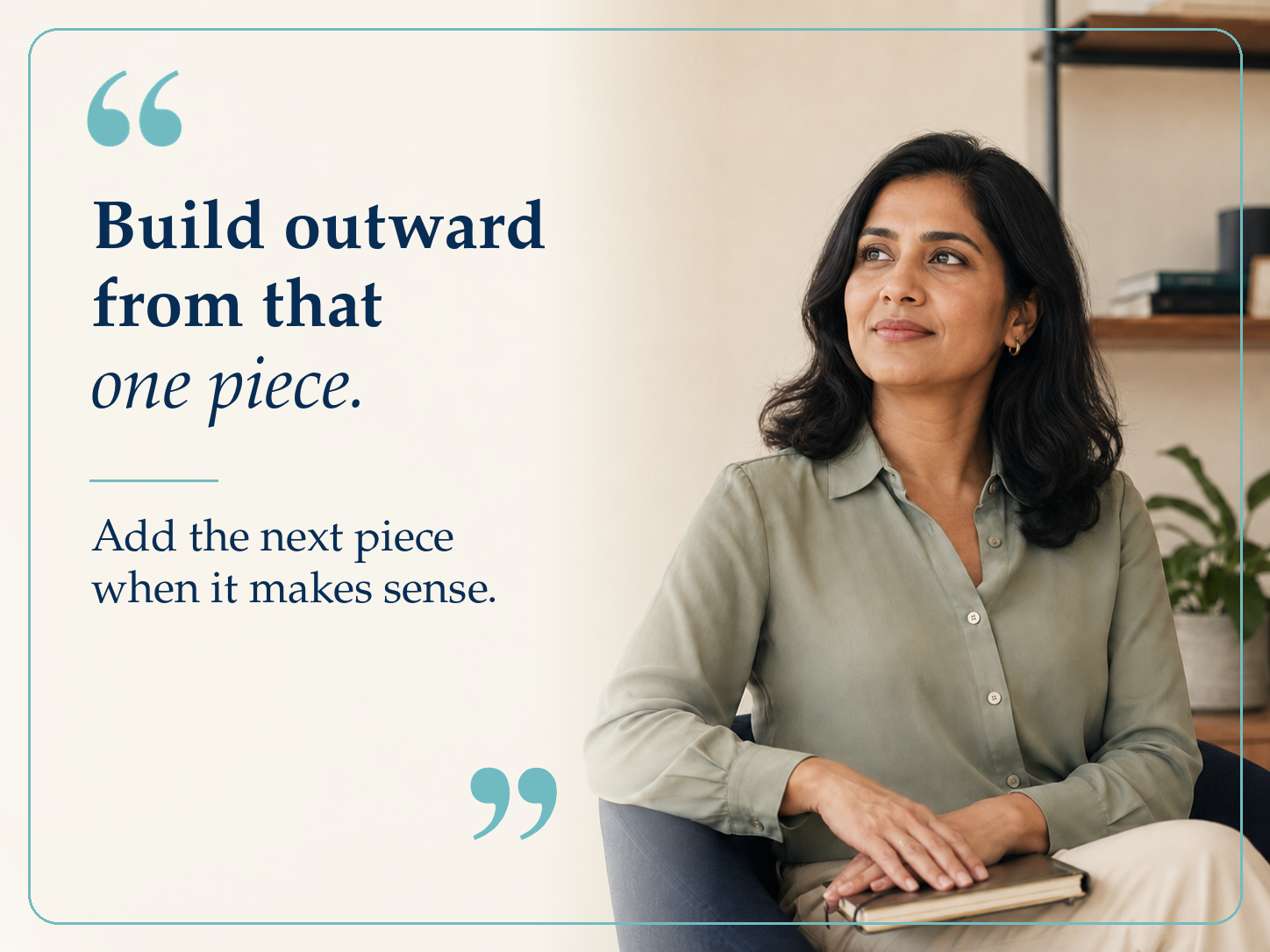
The goal isn't comprehensiveness on day one — it's finding the entry point that builds the greatest momentum and grows over the course of a career.
This Month's Build: From Book to Storyboard
AI can help us turn an idea that is still forming in our heads into something people can see. This month, start with a book that matters to you. Read or listen, pause for conversation, capture the moments that stay with you, and turn those moments into a short visual story.
Use an image-generation tool to create the scenes, then review and arrange the approved images in a simple 16:9 Google Slides or PowerPoint deck. Keep the visible slides image-only and use speaker notes for your narration. The goal is not to summarize every page; it is to choose the moments that give the story a clear beginning, middle, and end.
For my family, that story is Becoming Muhammad Ali — a way to share a hero, Black history, and the meaning of self-mastery with my sons in a format we can build together. Your version might be a family story, a book-club reflection, or a team learning project.
Your July objective is a finished storyboard presentation. Explore our completed deck to see how the story comes together as images. Next month, we'll pick back up with Part 2: how that same deck becomes an avatar-narrated video in Google Vids.
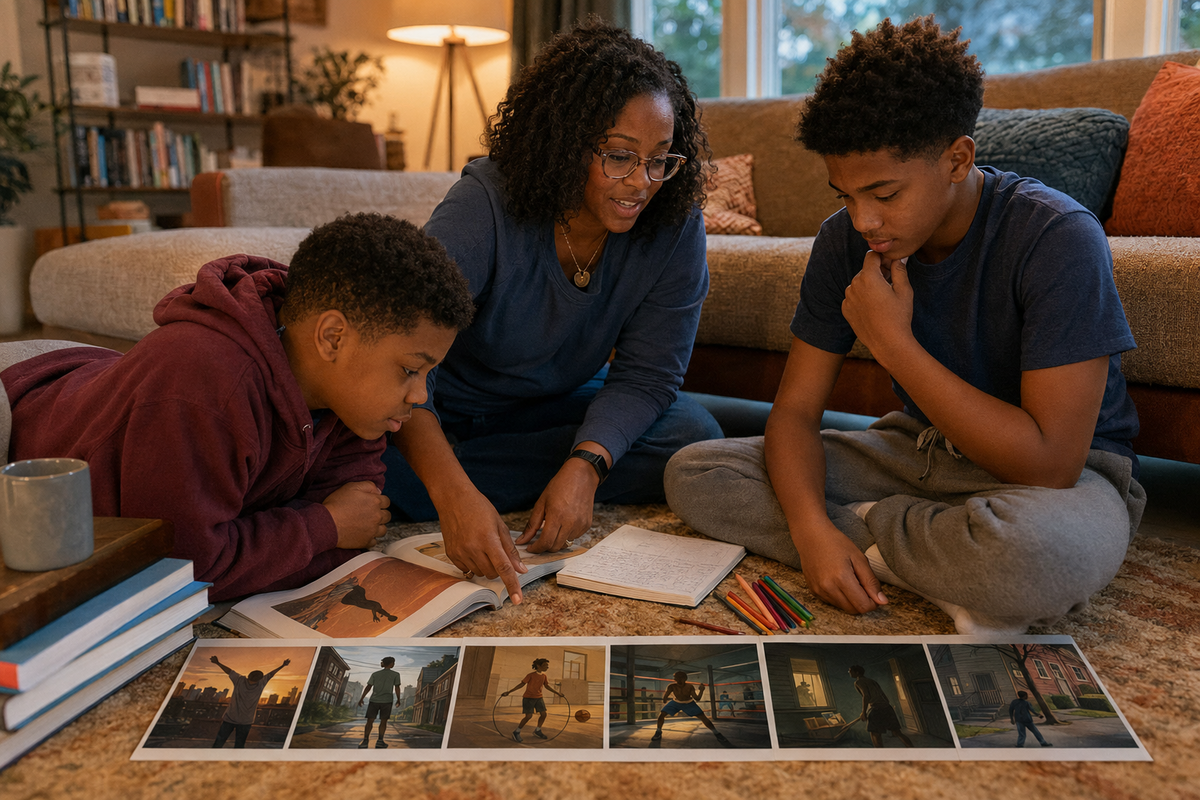
Read the story behind the project: Sharing a Hero With My Sons: Bringing Muhammad Ali’s Story to Life With AI
Before you go…
You have already created more than you realize.
The insight tucked inside a presentation. The process you improved. The lesson that changed how you lead. The project that taught you what no job description ever could.
These are not just things you completed. They are evidence of how you think, solve problems, and create value.
Your career is more than a list of titles. It is a record of your decisions, experiments, relationships, lessons, and ideas. Preserving that record makes it easier for others to recognize your value—and for you to remember it.
So take another look at what you have built.
What have you been leaving behind that deserves to become part of your larger story?
Until next time, keep claiming what you’ve created and remember your star is rising. 🌟🚀
-Rafat
H.E.A.L. · Health Equity Advocacy League Build along with us.Join our free H.E.A.L. community and stay connected with practical ideas, tools, and learning resources as we work toward healthier, more equitable communities. |